The Ultimate Guide to Choosing the Best Sprinkler Timer for Your Garden
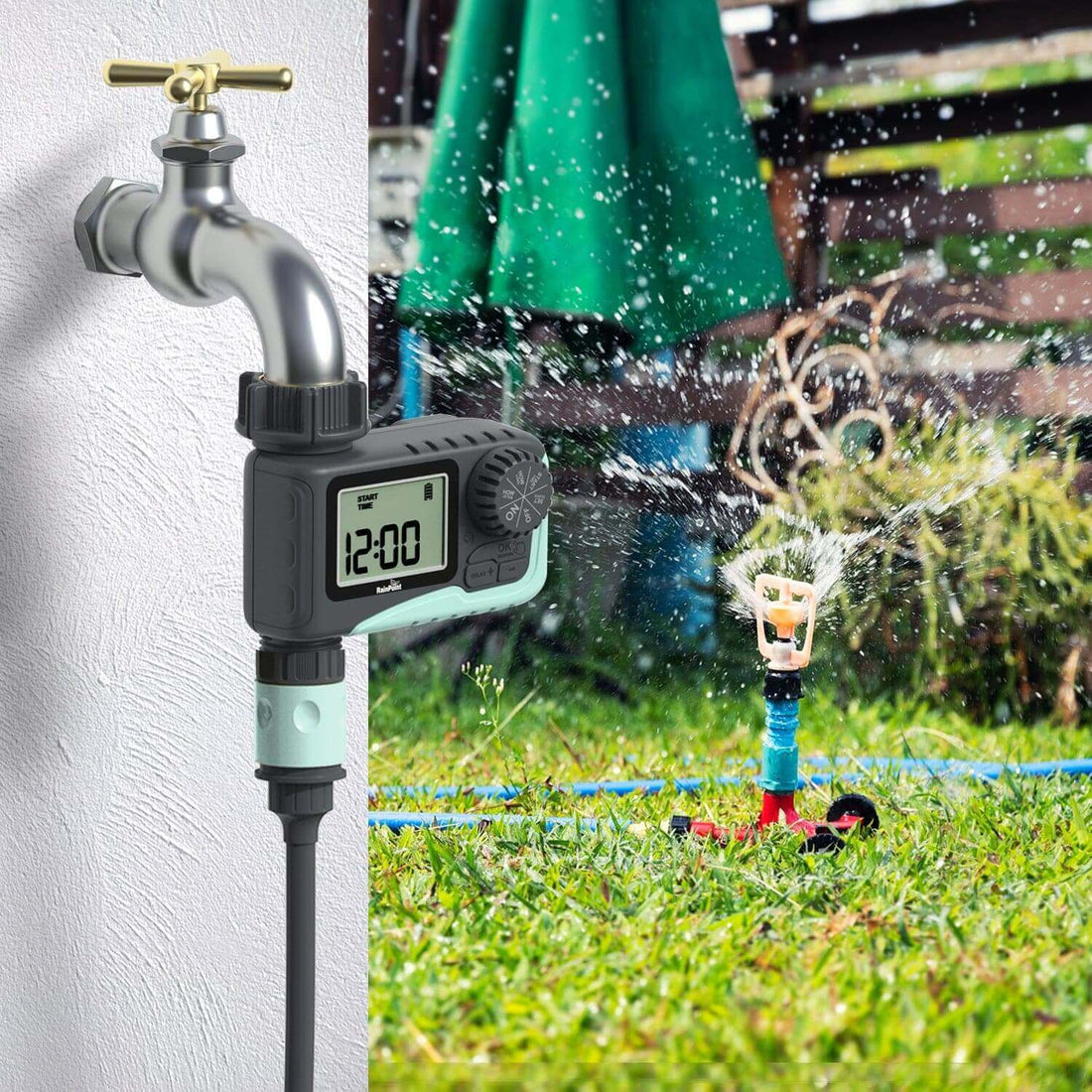
Maintaining a lush and healthy garden requires a consistent watering routine. Enter the sprinkler timer—an indispensable tool for any gardener looking to automate their irrigation system. Whether you’re a seasoned green thumb or a novice gardener, understanding how to choose and use a sprinkler timer can make a significant difference in the health of your plants and the efficiency of your watering system.
What is a Sprinkler Timer?
A sprinkler timer is a device that automates the operation of your irrigation system. It allows you to set specific times and durations for watering, ensuring that your garden receives the right amount of water without the need for constant manual adjustments. This not only saves time but also promotes water conservation by preventing overwatering or underwatering.
Types of Sprinkler Timers
- Mechanical Timers: Mechanical timers are the most basic type and operate using a dial. You set the timer by turning the dial to the desired watering duration, and the timer will activate your sprinkler system for that period. They are typically easy to use and affordable but lack the advanced features of electronic timers.
- Digital Timers: Digital timers offer more precision and flexibility compared to mechanical timers. They come with a digital display and programmable settings that allow you to set multiple watering schedules. You can often program different times for different days of the week, making them ideal for more complex irrigation needs.
- Smart Timers: Smart timers represent the latest advancement in sprinkler technology. They connect to your Wi-Fi network and can be controlled via a smartphone app. Smart timers often come with weather sensors that adjust watering schedules based on real-time weather conditions, helping you save water and ensure optimal plant health.
Features to Consider
- Programming Options: Consider how many watering schedules you need. Some timers allow for multiple programs, enabling you to set different watering times for various zones in your garden. This is particularly useful if you have plants with different watering needs.
- Duration and Frequency: Check the range of watering durations and frequencies the timer supports. Most timers allow you to set watering durations from a few minutes to several hours and frequencies ranging from multiple times a day to once a week.
- Water Conservation Features: Look for timers with water-saving features such as rain delays or weather sensors. These features help prevent unnecessary watering during rainy periods and adjust schedules based on temperature and humidity levels.
- Ease of Installation and Use: Choose a timer that is easy to install and operate. Some models come with clear instructions and user-friendly interfaces, while others may require more technical knowledge. Ensure that the timer you select fits your irrigation system and is compatible with your existing setup.
- Durability and Weather Resistance: Since the timer will be exposed to outdoor elements, durability is crucial. Opt for a timer made from weather-resistant materials that can withstand rain, sun, and extreme temperatures.
Benefits of Using a Sprinkler Timer
- Convenience: Automated watering means you don’t have to remember to turn the sprinklers on and off. This is especially beneficial during vacations or busy periods when you may not have time to tend to your garden.
- Water Conservation: Sprinkler timers help reduce water waste by ensuring that your garden receives only the amount of water it needs. This is not only environmentally friendly but can also lower your water bills.
- Improved Plant Health: Consistent watering promotes healthier plants and prevents issues such as root rot caused by overwatering or stress from underwatering.
Conclusion
Investing in a sprinkler timer is a smart move for any gardener looking to enhance the efficiency of their irrigation system. By choosing the right timer and utilizing its features effectively, you can ensure that your garden remains vibrant and thriving with minimal effort. Whether you opt for a basic mechanical model or a high-tech smart timer, the key is to select a device that meets your specific needs and preferences. Happy gardening!